The Anatomy of Belief
Varanasi, though viewed primarily as the spiritual capital of India, has never been a city of fastidious distinctions.
The city of endless temples and passionate bhakti is as strategic and tactical an economy as any- if not more. A traditional ancient temple is not merely a place of worship for believers, the economics behind it is what ties this belief together in an architectural and functional masterpiece capturing souls of millions of pilgrims, tourists and residents alike.
Every chaukhat inviting one in and every bell rang reflects the skill of carpenters and metalworkers employed to create its foundation, while every idol placed in the centre of it all carries forward the murti-kala traditions of Kashi. The milk used in abhishek flows through dairy networks from the bustling Panchkoshi region to the markets of Machodari, while flowers offered to the deity sustain thousands of generational growers and traders linked to markets from Maldahiya. The chunni and dhoti adorning the gods are woven by weavers of Madanpura and Banaras’ historic handloom communities. The fragrance of attar from Thatheri Bazaar and Chowk, the fruits supplied through Pahadiya mandi, and the prasad made by local halwais from between the narrow lanes of the city- all represent a strong sense of enterprise.
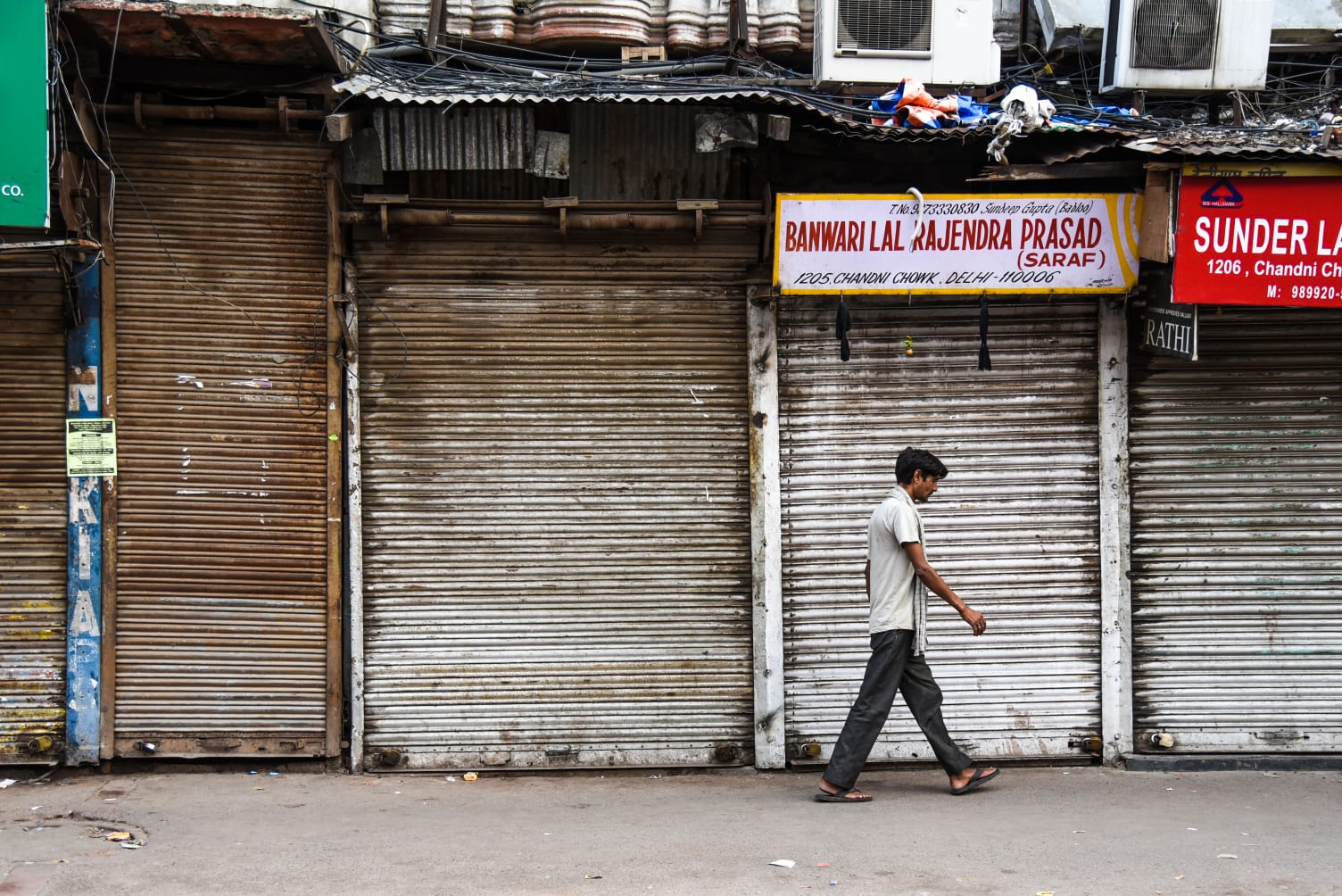
Yet, despite being one of the oldest continuously inhabited cities in the world, home to an intricate and layered economy, Varanasi is too often perceived through a singular lens. The city is reduced to a spectacle of faith, while the systems that sustain that faith remain invisible. We celebrate the aarti, but seldom closely examine the livelihood trajectory that illuminates it. We chronicle the divine madness into scripts and screens, yet rarely trace the faint- but prominent- ink of supply chains, labour networks, markets, and informal enterprises that make devotion materially possible.
I believe this precautionary tendency to view culture and commerce as two separate entities in the grand scheme of things is perhaps one of the greatest misunderstandings of Kashi.
The city functions as a living economy of belief, where rituals create demand, traditions give birth to generational employment and heritage itself becomes a solid economic architecture.
It is within this intersection that The Third Eye finds its purpose. Borrowing from the symbolism of Lord Shiva’s third eye, this project seeks to look beyond what is immediately visible.
"The first eye sees the ritual, the second sees the tradition, the third eye further goes on to ask who pays for it, who profits from it, who is displaced by it, and who is forgotten within it."
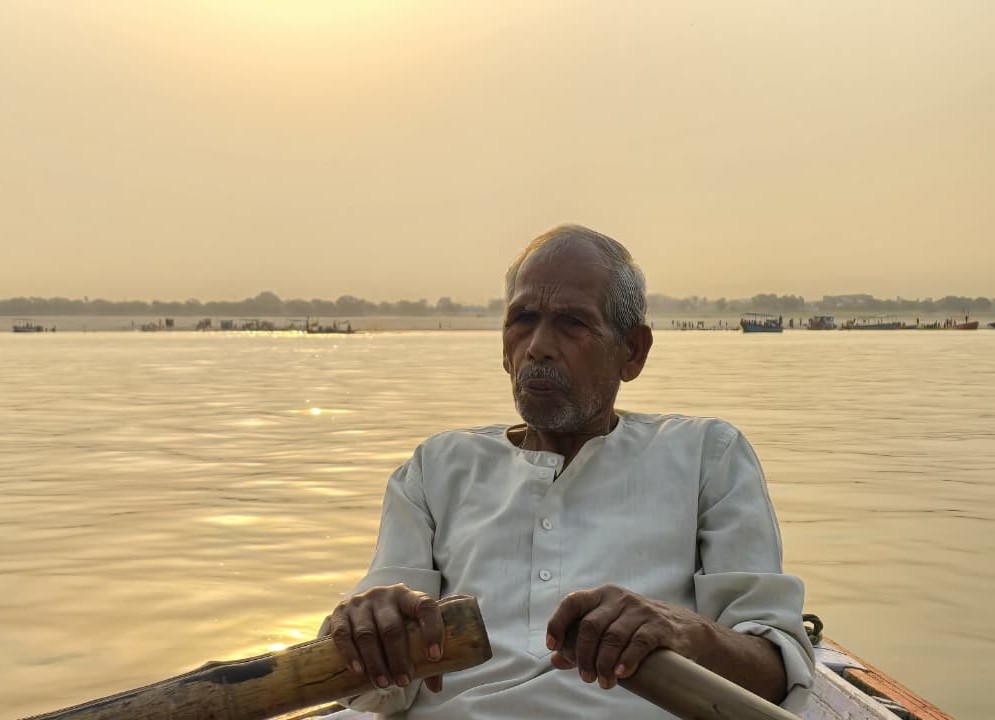
The Third Eye is therefore not concerned with appearances, but with anatomy. It peels back the sacred, the sentimental and the symbolic to examine the machinery within. The ghats reveal only the city’s face; its economy lies buried in the sediment beneath. The gallis are not merely pathways but archives of transactions. The rowing boats are not just means of serene transportation, every oar stroke is an act of labour, a reminder that even the sacred river sustains an economy as vast as the faith it attracts.
The Third Eye exists because some of the most consequential truths about this city are hidden in plain sight. The Third Eye exists because it is in these golden rays of apricity piercing through the heavy clouds, lies the real Pehchaan of Kashi. The Third Eye exists because its purpose has never been merely to see but to reveal.
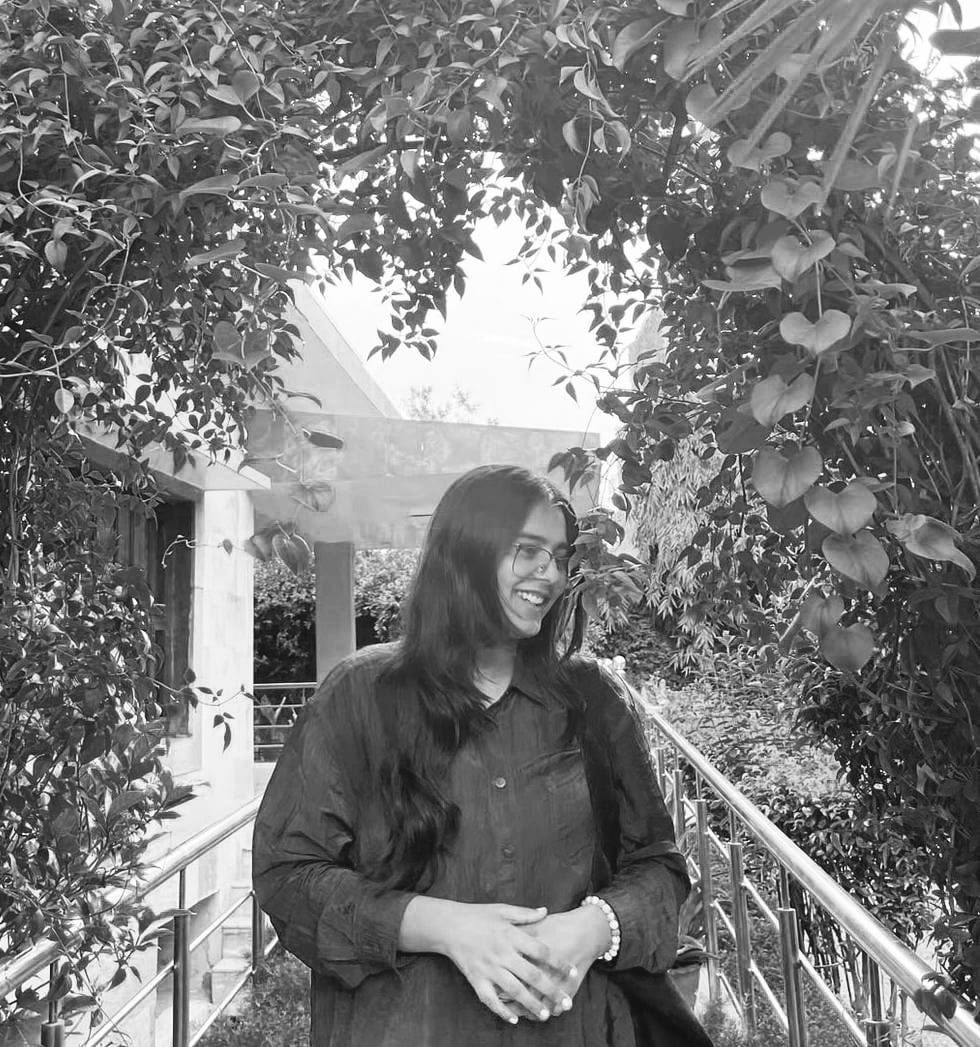
Aditi Anand-Mishra
EDITORIAL DIRECTOREconomics enthusiast. Professional overthinker fueled by coffee. Amateur detective of public policy. Aditi can turn a road project into a debate on urban planning and a temple corridor into a discussion about incentives. At The Third Eye, she spends her days turning everyday observations into uncomfortable questions and surprisingly good stories. Varanasi just happens to have thousands of those stories hiding in plain sight. If she’s done her job well, you’ll leave with a few new perspectives, a handful of unanswered questions, and a curiosity to look at the city a little differently. Which, in her view, is exactly the point.